

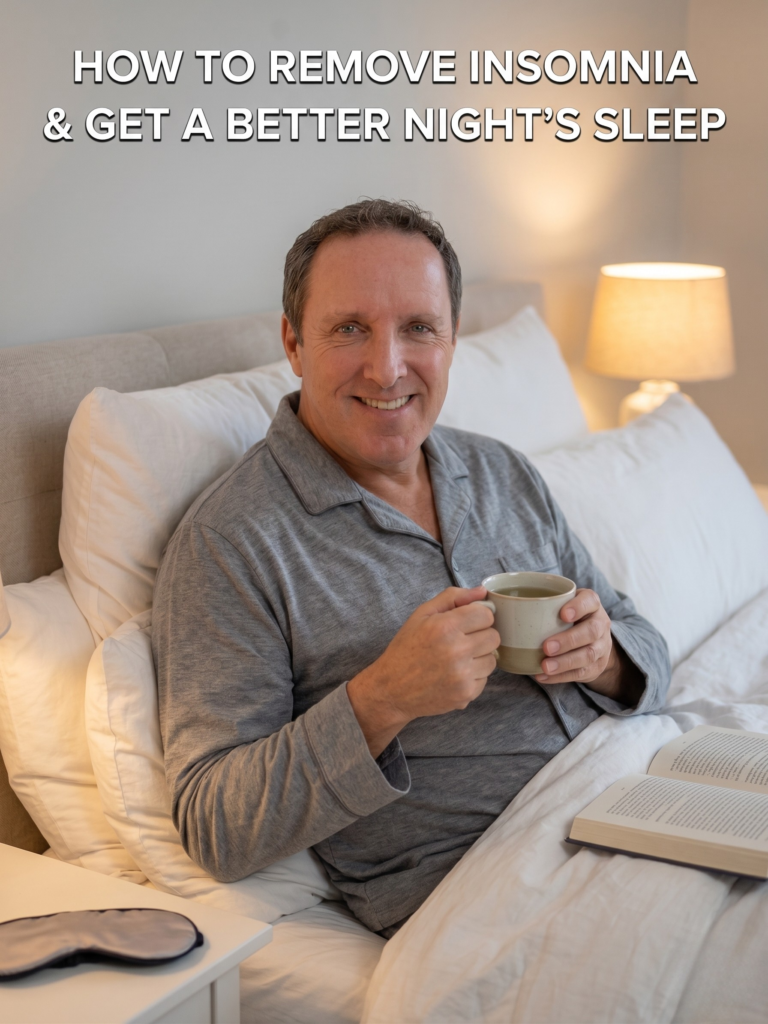
Can Hypnosis Remove Insomnia
You’ve tried the melatonin. You’ve tried the white noise machines, the weighted blankets, the chamomile tea that tastes like hot lawn clippings. Nothing sticks. So here’s a question worth asking: can hypnosis remove insomnia when everything else has failed?
Short answer: yes, for a lot of people. And not in some mystical, swinging pocket watch kind of way. The science behind it is more interesting than that.
Can Hypnosis Remove Insomnia by Rewiring Your Sleep Patterns?
Here’s what most people get wrong about hypnosis. They think the goal is to knock you out cold during the session. That’s not it. Hypnotherapy for insomnia works by getting underneath the anxiety, the racing thoughts, the low-grade dread that shows up the second your head hits the pillow.
Your brain has learned to associate your bed with stress. Hypnosis teaches it something different. It rewires the pattern so your nervous system downshifts when it’s supposed to, instead of revving up at midnight like it’s got somewhere to be.
A systematic review published in the Journal of Clinical Sleep Medicine found that hypnotherapy helped participants fall asleep nearly 30 minutes faster. That’s not a marginal improvement. That’s the difference between lying awake spiraling and being out before you finish your second deep breath.
The study noted a 57% improvement from baseline. Medication rarely delivers those numbers without side effects attached.
Why Your Brain Won’t Let You Sleep
Insomnia isn’t a sleep problem. It’s a thinking problem. Your body knows how to sleep. It did it just fine when you were a kid. What changed is the relationship between your conscious mind and your subconscious expectations around bedtime.
Every night you lie awake, your brain files that experience as “normal.” It becomes the default. You start dreading bedtime hours before you get there. That dread creates tension. The tension keeps you awake. And now you’ve got a feedback loop running on autopilot.
Hypnosis breaks the loop. During a session, a certified hypnotherapist guides you into a focused, relaxed state where your subconscious is more receptive to new suggestions. Think of it like updating the software. The hardware is fine. Your brain just needs a patch.
This isn’t speculation. The Sleep Foundation notes that hypnotherapy can increase slow-wave sleep by up to 80%. That’s the deep, restorative stage where your body repairs itself. Most insomniacs barely touch it.
Book a Hypnosis Show That Changes Minds
If you’ve seen what hypnosis can do for sleep, imagine what it does live on stage. Richard Barker, The Incredible Hypnotist, has performed for Fortune 500 companies, universities, and sold-out theaters across the country. His comedy hypnosis show is the highest-rated in the industry for a reason.
Book a show at incrediblehypnotist.com and give your audience something they’ll talk about for years.
What Happens During Hypnosis for Insomnia
A typical session starts with progressive relaxation. Nothing dramatic. You’re conscious the entire time, just deeply focused. Your hypnotherapist uses specific language patterns to quiet the part of your brain that won’t shut up at 2 AM.
Then come the suggestions. These aren’t vague affirmations like “you will sleep well.” They’re targeted, specific reframes. Things like associating your pillow with instant calm. Or anchoring the feeling of drowsiness to the moment you close your eyes. Your subconscious doesn’t argue with these the way your conscious mind would. It just accepts them.
Most people notice changes within two to four sessions. Some report sleeping through the night after the first one. It depends on how deeply the insomnia pattern is wired in, but the trajectory is almost always toward improvement.
Self-Hypnosis for Sleep at Home
You don’t need a hypnotherapist in the room every night. Once you learn the technique, self-hypnosis becomes something you can use on your own. It’s like learning to meditate, but with a sharper edge. You’re giving your subconscious direct instructions instead of just observing your thoughts float by.
Guided audio sessions work well for this. Put on headphones, follow the voice, and let your brain do what it already knows how to do. The trick is consistency. Your subconscious responds to repetition.
Hypnosis vs. Sleep Medication
Sleep meds solve tonight. Hypnosis solves the pattern. That’s the core difference, and it matters more than most people realize.
Ambien, Lunesta, trazodone, they all come with dependency risks, morning grogginess, and a list of side effects that reads like a horror movie script. Hypnotherapy has essentially zero side effects. The worst thing that happens is you feel really relaxed.
Cognitive behavioral therapy for insomnia (CBT-I) is the gold standard treatment, and hypnosis pairs beautifully with it. Some therapists now combine the two, using hypnotic suggestions to reinforce the behavioral changes CBT-I introduces. It’s not either/or. The tools work better together.
Richard Barker’s Final Thoughts
I’ve worked with people who haven’t slept properly in years. Not months. Years. And I’ve watched their faces when they come back after a session and tell me they slept seven hours straight for the first time in memory. Insomnia isn’t a life sentence. Your brain created the pattern, and hypnosis can uncreate it. You just have to be willing to let it.
Try the Hypnosis Hub App Free
If you want to experience hypnosis for yourself, the Hypnosis Hub app is the easiest place to start. It includes a free guided breathing program to calm your nervous system on demand, plus a full hypnosis audio session designed to help you sleep deeper and break the insomnia cycle. No subscription required to try it.
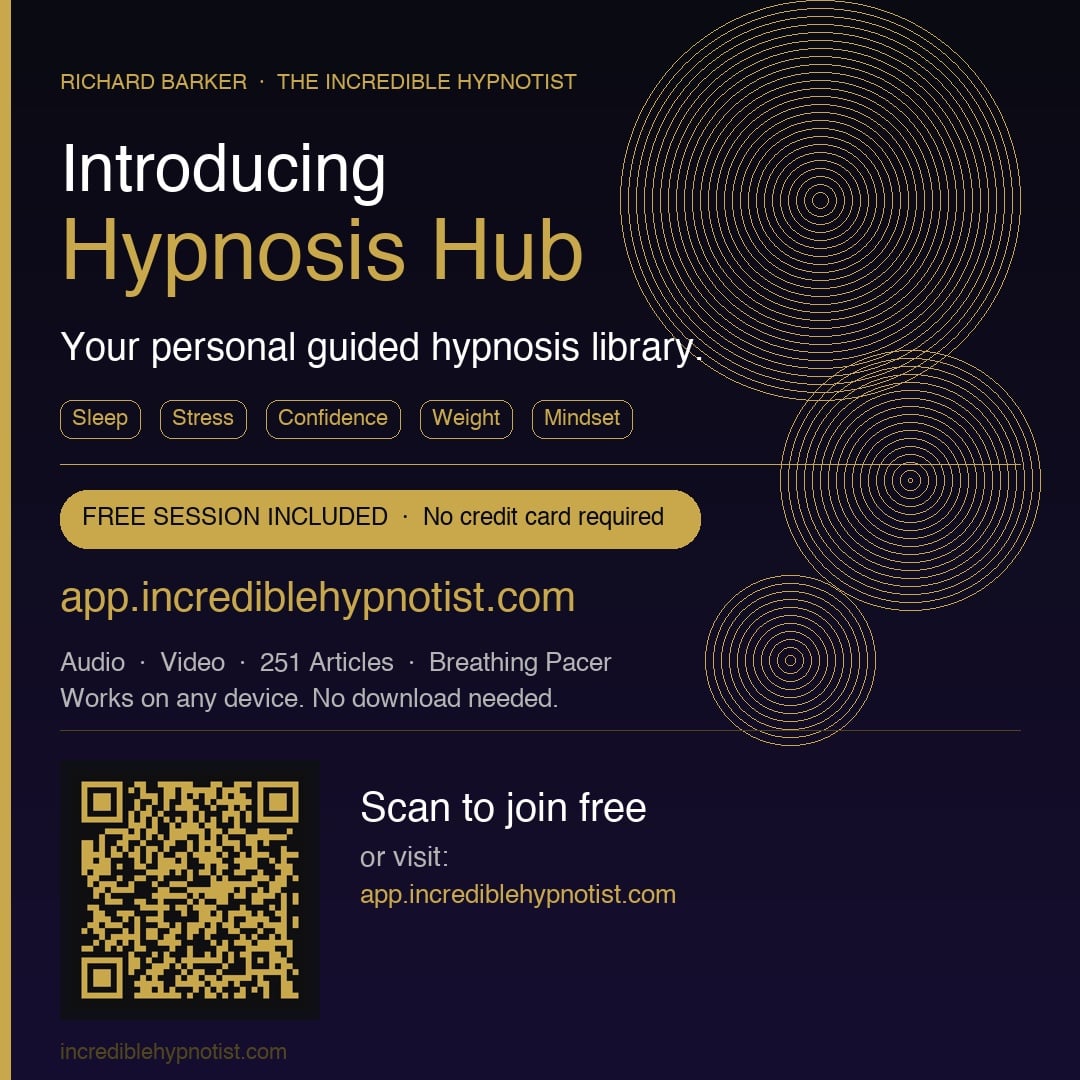
Download Hypnosis Hub Free — or scan the QR code above from your phone.
Can Hypnosis Remove Insomnia FAQs
How many hypnosis sessions does it take to fix insomnia?
Most people notice improvement within two to four sessions. Some sleep better after the first session. It depends on how long you’ve had insomnia and how deeply the pattern is embedded. Consistent self-hypnosis practice at home accelerates the results significantly.
Is hypnosis for insomnia backed by science?
Yes. A systematic review in the Journal of Clinical Sleep Medicine found hypnotherapy helped participants fall asleep nearly 30 minutes faster, a 57% improvement. The Sleep Foundation also reports that hypnosis can increase deep slow-wave sleep by up to 80%, which is the most restorative stage of your sleep cycle.
Can I do sleep hypnosis on my own at home?
You can. Self-hypnosis and guided audio sessions are effective tools for reinforcing the changes made during professional sessions. The Hypnosis Hub app includes a free sleep hypnosis program specifically designed for this. Consistency is key, so use it nightly for best results.
Does hypnosis work for everyone with insomnia?
Not everyone responds equally. Research suggests about 1 in 7 people are highly hypnotizable and respond quickly. Most people fall somewhere in the middle and see gradual improvement. About 1 in 3 are more resistant, but even they can benefit from the relaxation component of hypnotherapy sessions.
